Hearing Aids for Children: A Parent's Complete Guide
July 13, 2026 · By Hearing Comforts Clinical Team · 6 min read
Discovering that your child has hearing loss can feel overwhelming — but with early support, children with hearing aids go on to develop speech, language and social skills right alongside their hearing peers.
Helpful next steps
Why Early Detection Matters
The first few years of life are critical for speech and language development. The earlier hearing loss is identified and fitted with appropriate hearing aids, the better a child's long-term communication outcomes tend to be.
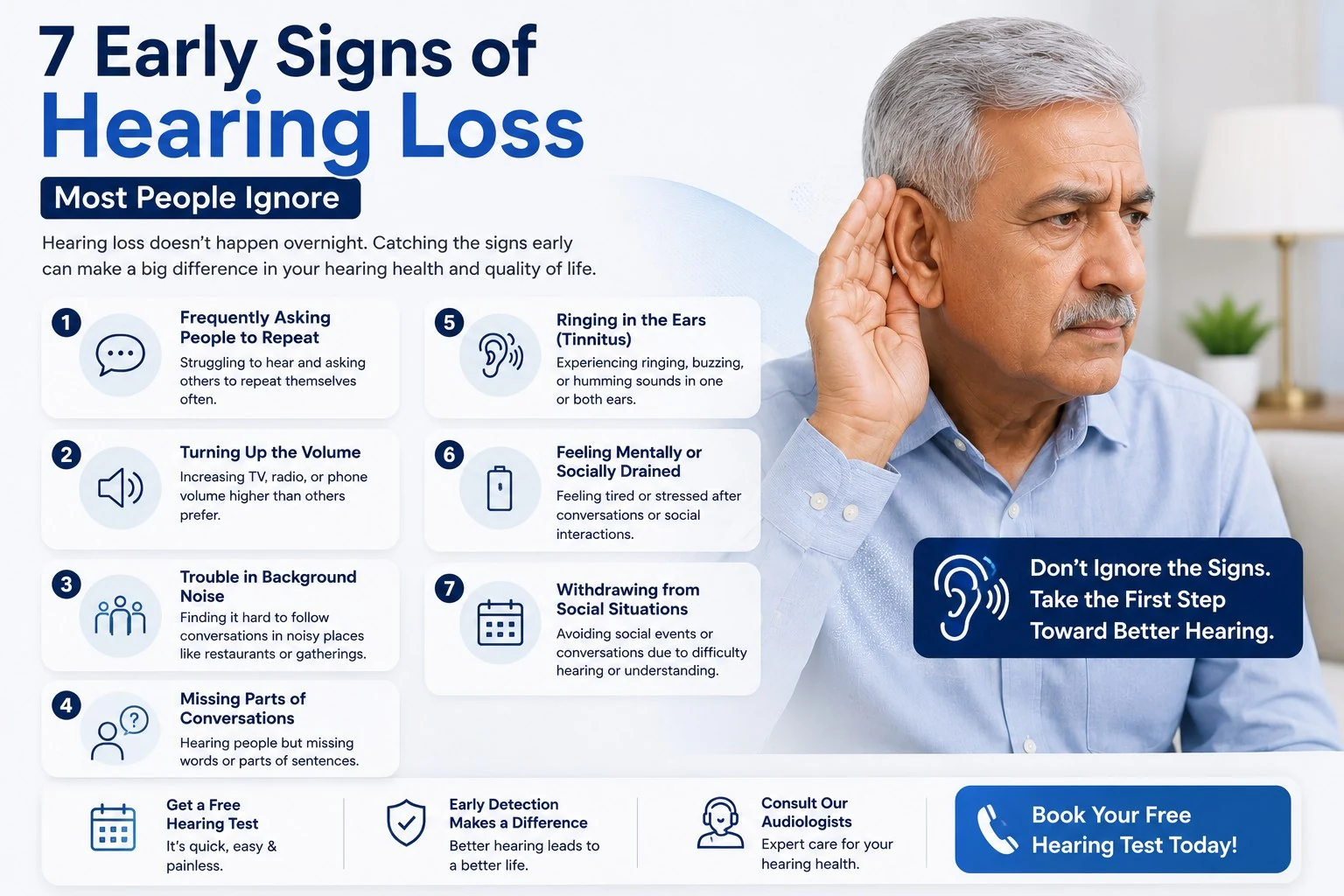
Signs of Hearing Loss in Children
- Not responding to their name or loud sounds
- Delayed speech or unclear pronunciation for their age
- Turning up the TV volume unusually high
- Appearing inattentive or frequently asking "what?"
- Difficulty following instructions in a classroom setting
What Makes Paediatric Hearing Aids Different
Children's hearing aids are built to be more rugged, tamper-resistant and moisture-protected than adult devices, since kids are, well, kids. Brands like Oticon (Play) and Phonak (Sky) design dedicated paediatric ranges with secure battery doors, colourful customisation options, and settings tuned specifically for a developing auditory system.
Working With Schools and Family
A good audiologist will also guide parents and teachers on classroom accommodations, FM/remote microphone systems for noisy classrooms, and how to support consistent hearing aid use as your child grows.
Regular Follow-Ups Are Essential
Children's ears and hearing needs change as they grow, so regular re-testing and reprogramming — not just a one-time fitting — is an important part of paediatric hearing care.
Frequently Asked Questions
At what age can a baby be fitted with hearing aids?
Babies can be fitted with hearing aids as early as a few weeks old once hearing loss is confirmed through newborn hearing screening and diagnostic testing.
Do children's hearing aids need to be replaced often as they grow?
The hearing aids themselves don't need frequent replacement, but earmolds often need to be recast every few months in young children as their ears grow, and programming should be reviewed regularly.
Still have questions about your hearing?
Book a free hearing test with our certified audiologists.