Best Hearing Aid for Severe Hearing Loss: What to Look For
September 5, 2026 · By Hearing Comforts Clinical Team · 8 min read
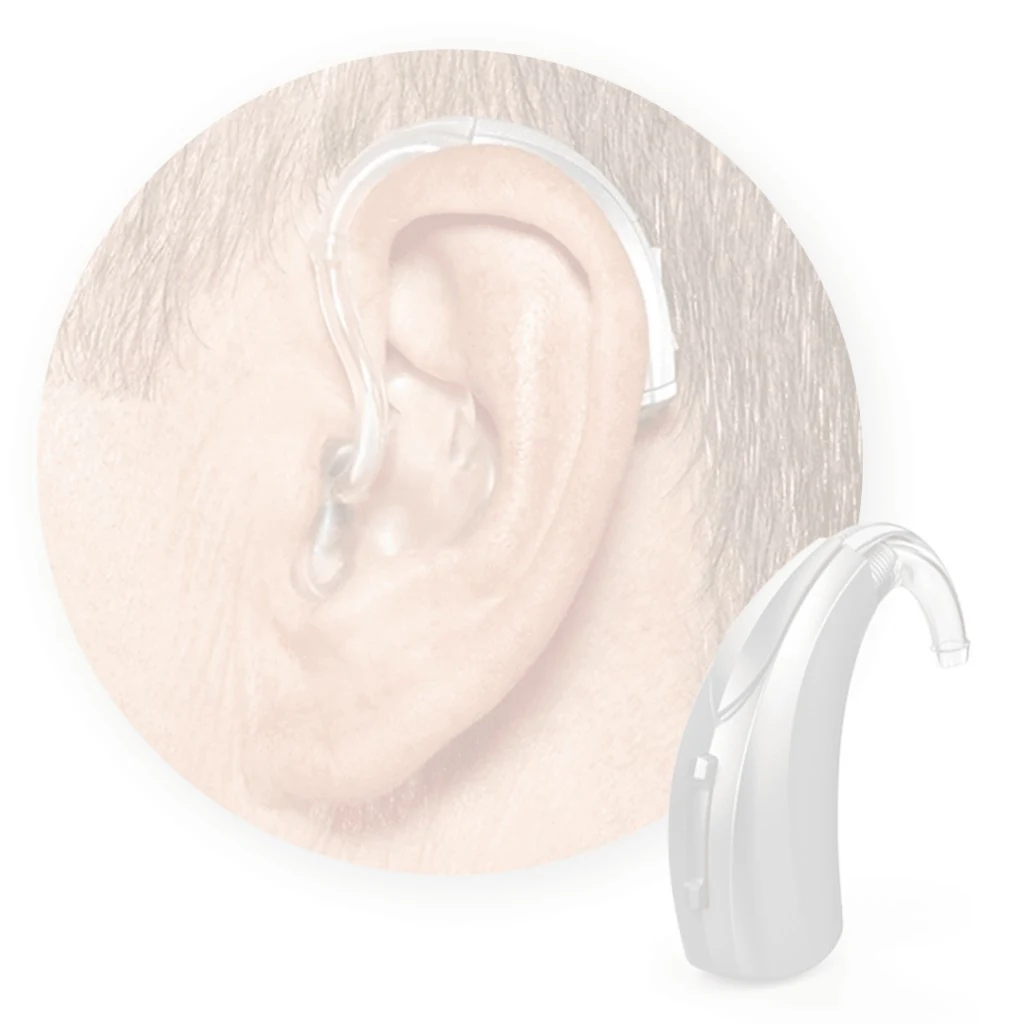
The best hearing aid for severe hearing loss depends on the hearing levels in each ear, speech understanding, listening needs and the amount of amplification required. For more significant hearing loss, a professional assessment and fitting are especially important.
Helpful next steps
Book a Hearing Test → · Explore BTE Hearing Aids → · Explore RIC Hearing Aids →
In this guide
Why severe hearing loss needs careful fitting
More amplification is not automatically better. A hearing aid must provide useful audibility while remaining comfortable and appropriate for the user's hearing profile. Programming should be based on the hearing test and adjusted as the user adapts.
Which hearing aid styles are considered?
Powerful BTE hearing aids are commonly used when substantial amplification is required. Depending on the hearing profile and device range, power-focused RIC solutions may also be considered. Very small canal styles can have physical limitations that make them unsuitable for some severe or profound losses.
The exact choice should follow the audiogram, ear anatomy, speech needs and the audiologist's recommendation.
Features that may matter more than appearance
- Enough output and suitable frequency coverage for the hearing loss.
- Speech-focused processing for conversations.
- Feedback management, particularly when higher amplification is required.
- Reliable fitting and fine-tuning support.
- Connectivity or accessories if they solve a real listening problem.
When hearing aids may not be enough
Some people with severe or profound hearing loss may need additional evaluation if appropriately fitted hearing aids do not provide enough speech access. Depending on the clinical situation, an ENT or hearing specialist may discuss other options, including implantable hearing solutions.
How to test a hearing aid before committing
Ask how the device will be programmed, what follow-up adjustments are available and what trial or return terms apply. Test speech in the environments that matter to you, such as one-to-one conversation, television, family gatherings and outdoor settings.
A practical buying checklist
- Complete a professional hearing assessment.
- Discuss the required power and suitable styles.
- Compare exact models, not only brands.
- Check comfort, feedback and speech clarity during fitting.
- Understand warranty, maintenance and aftercare.
- Plan follow-up adjustments after you start wearing the device.
Frequently Asked Questions
What is the best hearing aid for severe hearing loss?
There is no universal best model. Powerful BTE or other suitable high-output devices may be considered, but selection should be based on the audiogram, speech needs, comfort and professional fitting.
Are CIC or IIC hearing aids suitable for severe hearing loss?
Very small canal devices can have power and component limitations and are not suitable for every severe or profound loss. A hearing professional should confirm whether the style can meet your amplification needs.
What if hearing aids do not make speech clear enough?
Return for programming and fine-tuning and discuss the results with your hearing-care professional. If appropriately fitted hearing aids still provide insufficient benefit, further clinical evaluation may be appropriate.
Related Hearing Care Resources
Need help choosing the right hearing aid?
Start with a hearing test and discuss suitable options with a hearing-care professional.