How to Choose a Hearing Aid: A Step-by-Step Buying Guide
September 5, 2026 · By Hearing Comforts Clinical Team · 8 min read

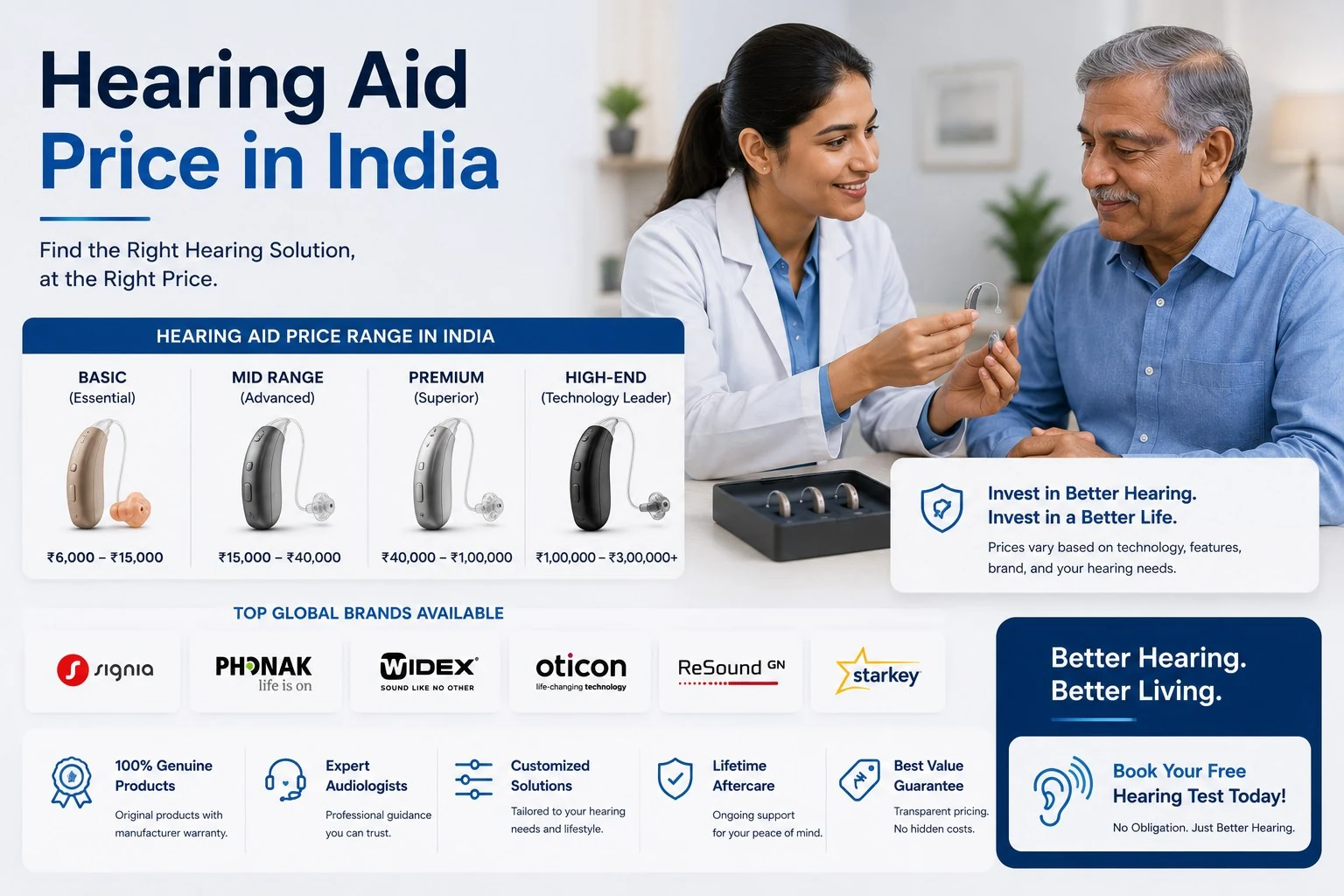
Knowing how to choose a hearing aid can feel overwhelming because there are many brands, styles and technology levels. A better approach is to work from your hearing test and daily listening needs, then compare a small number of suitable devices.
Helpful next steps
Book a Free Hearing Test → · Compare Hearing Aid Models → · Compare Hearing Aid Brands →
In this guide
1. Start with your hearing test
Your hearing levels provide the foundation for hearing aid selection. The amount and pattern of hearing loss can influence the style, receiver or power level that is appropriate. If both ears have hearing loss, discuss whether two hearing aids are recommended for your situation.
2. List the situations where you struggle
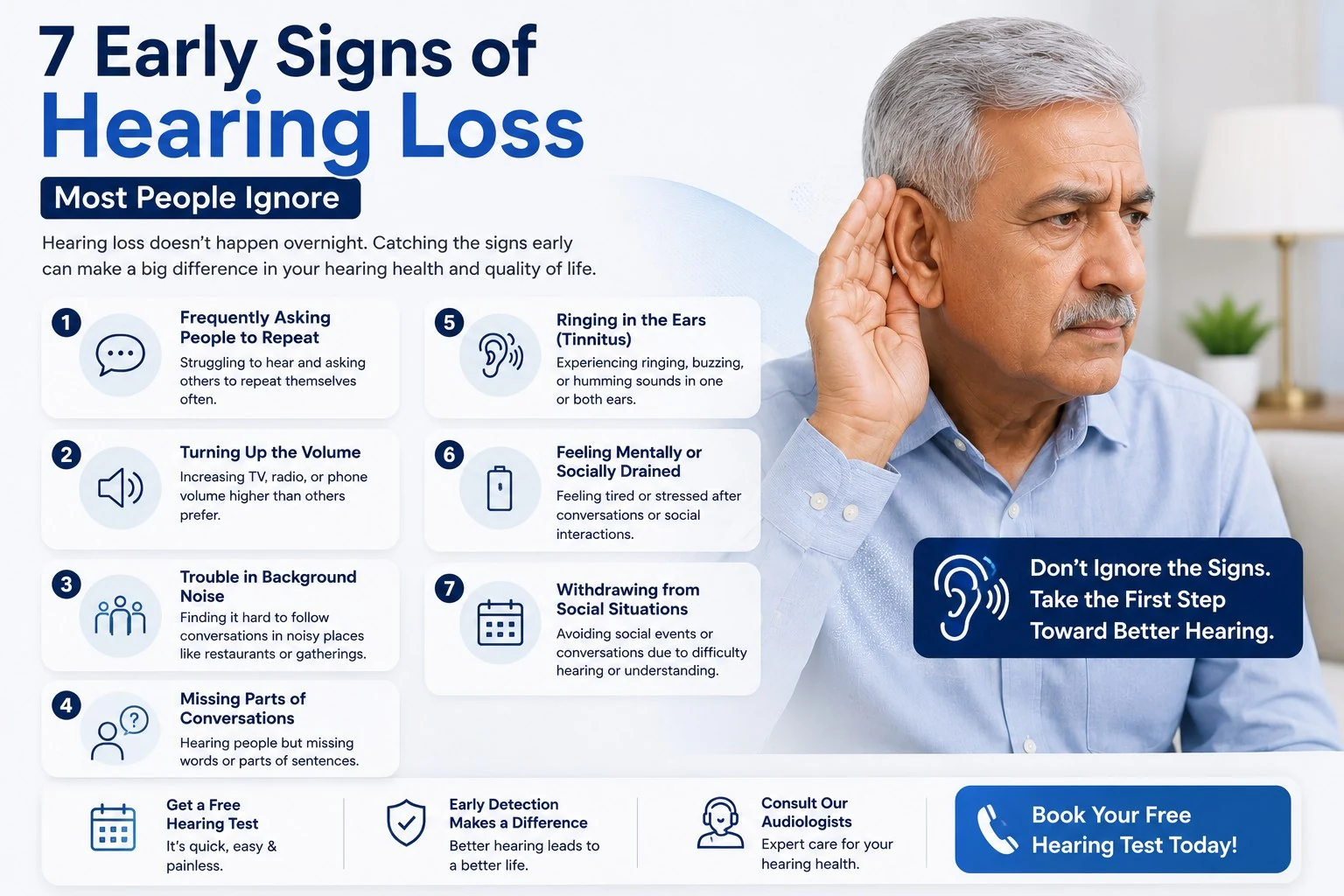
Think beyond “I cannot hear.” Is the problem conversation in a quiet room, restaurants, television, meetings, outdoor sounds or phone calls? Your real listening environments help determine which features will have practical value.
3. Choose the right style
Common styles include BTE, RIC, ITE, ITC, CIC and IIC. Discretion, power, handling and ear anatomy all matter. Do not choose a very small style if it cannot comfortably meet your hearing needs.
4. Decide which features you actually need
- Rechargeable power.
- Bluetooth or smartphone connectivity.
- Speech-focused processing for noisy environments.
- Simple controls for easier handling.
- Accessories for television or challenging listening situations.
5. Compare the total value, not just the price
Ask what is included with the hearing aid: fitting, follow-up programming, warranty, cleaning, repairs, accessories and support. A cheaper device is not necessarily the better value if it does not suit your daily needs.
6. Try and fine-tune where available
Ask about current trial and return terms before purchase. Give yourself time to adjust and report specific problems to the audiologist. Fine-tuning can make a major difference to comfort and speech clarity.
7. Plan for long-term care
Hearing aids need cleaning, maintenance and occasional servicing. Before buying, understand who will provide aftercare, how warranty claims work and what happens if the device needs repair.
Frequently Asked Questions
How do I choose the right hearing aid?
Start with a hearing test, identify your listening needs, choose a suitable style, compare useful features and confirm fitting and aftercare support.
Should I choose the most expensive hearing aid?
Not necessarily. Choose the technology and features that solve your actual hearing problems and fit your hearing profile and budget.
Is a hearing test necessary before buying a hearing aid?
A professional hearing assessment is strongly recommended because hearing aid selection and programming should be based on your hearing loss and listening needs.
Related Hearing Care Resources
Need help choosing the right hearing aid?
Start with a hearing test and discuss suitable options with a hearing-care professional.